Digital Savings Planning Before Choosing FD Online Carefully
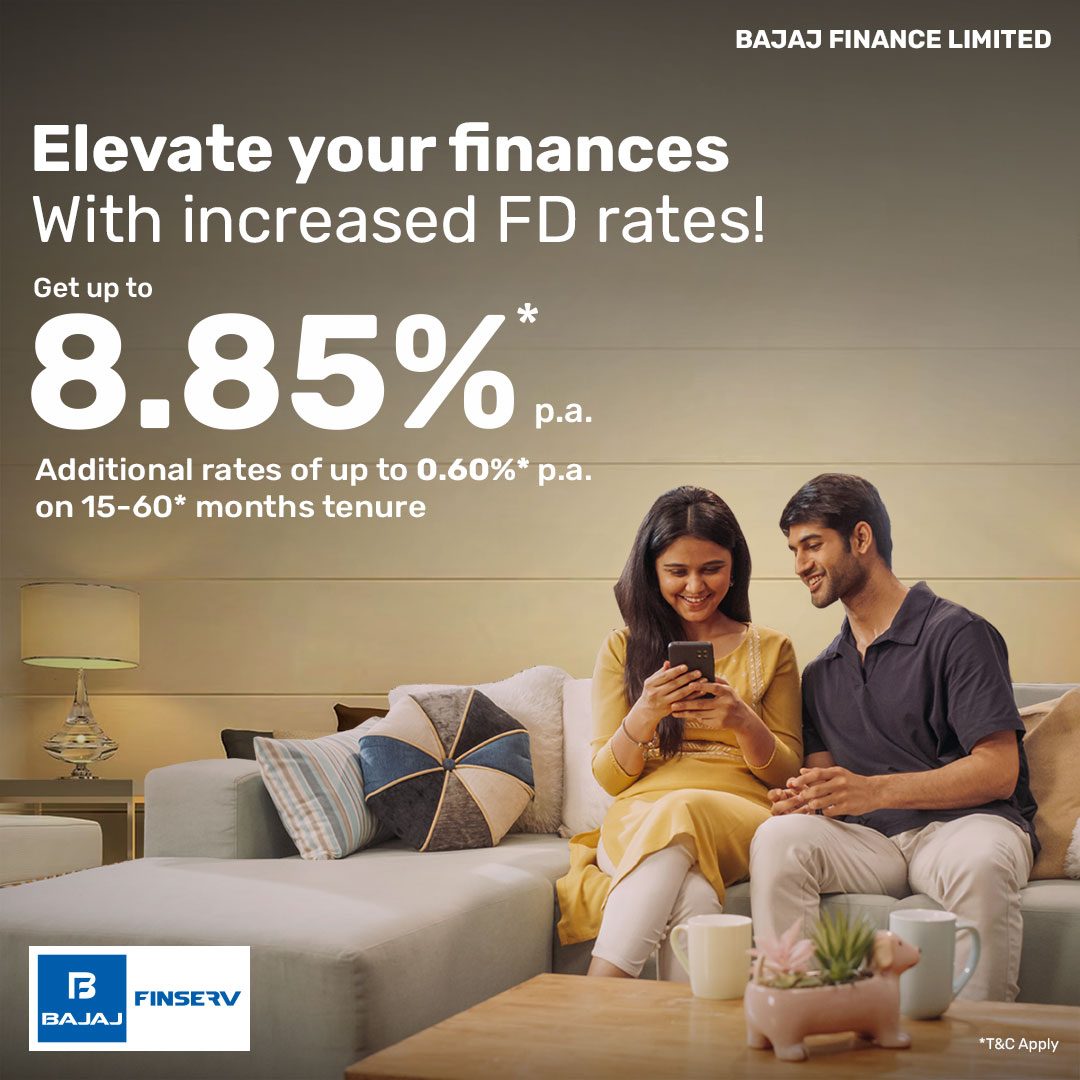
FD online options allow users to open or manage fixed deposits through digital banking platforms or financial apps. This can make savings easier for people who want predictable returns, selected tenure options, and simple maturity tracking without visiting a branch.
Before using a quick loan app for short-term cash needs, users may also review whether existing savings, fixed deposits, or planned deposits can support financial stability. However, breaking savings or borrowing against future income should be done only after checking cost, liquidity, and long-term goals.
Start With The Savings Purpose
A fixed deposit should be linked to a clear savings purpose. This helps users select the right tenure and avoid premature withdrawal.
Common FD purposes include:
- Emergency fund backup
- Short-term savings
- Education planning
- Travel savings
- Tax planning, where applicable
- Senior citizen income planning
- Business reserve
- Future purchase planning
- Wedding expense planning
- Safe parking of surplus funds
When the purpose is clear, users can choose a deposit amount and tenure more sensibly.
Understand How Online FDs Work
An online FD works like a regular fixed deposit, but the setup and tracking are done digitally. Users can usually select the amount, tenure, payout option, and maturity instructions through the platform.
The process may include:
- Login To The Platform
Users access their banking or financial app securely.
Select Deposit Amount
The amount should match the savings plan and available balance.
Choose Tenure
Tenure may range from short-term to long-term options depending on the provider.
Review Interest Rate
The rate should be checked before confirming the deposit.
Confirm Maturity Instructions
Users may choose payout or renewal, depending on the available options.
Save The Receipt
The digital FD receipt should be downloaded or stored safely.
Compare Tenure Before Booking
Tenure affects interest, maturity date, and liquidity. Users should not choose tenure only because the interest rate looks attractive.
Before selecting tenure, check:
- When funds may be needed
- Current interest rate
- Maturity amount
- Premature withdrawal rules
- Penalty terms
- Tax impact, where applicable
- Renewal option
- Income needs
- Emergency fund availability
- Goal timeline
A suitable tenure should match the user’s financial need.
Check Interest Payout Options
Different users may prefer different payout styles. Some may want periodic interest income, while others may prefer cumulative growth.
Common payout options may include:
- Monthly interest payout
- Quarterly interest payout
- Annual interest payout
- Cumulative payout at maturity
- Auto-renewal with interest
- Principal plus interest payout
Users should select the option based on income needs and savings goals.
Keep Liquidity In Mind
FDs provide stability, but they may not be as liquid as a savings account. If money is needed before maturity, premature withdrawal may attract penalties or reduced interest.
To manage liquidity better, users can:
- Avoid locking all savings in one FD
- Keep emergency cash separately
- Use different tenures
- Create smaller deposits instead of one large deposit
- Review withdrawal rules
- Track maturity dates
- Avoid unnecessary premature closure
- Match FD tenure with goal date
- Keep some balance in savings account
- Review cash needs before booking
Liquidity planning helps users avoid breaking deposits under pressure.
Use FD Laddering For Better Flexibility
FD laddering means splitting savings into multiple deposits with different maturity dates. This can improve access to funds while keeping money invested.
For example, instead of creating one large FD, a user may create multiple smaller FDs across different tenures. This can help when funds are needed at different times.
Benefits of laddering may include:
- Better liquidity
- Reduced premature withdrawal need
- Flexible maturity dates
- Easier goal-based planning
- Better control over reinvestment
- Lower disruption during emergencies
This approach may suit users who want stability and access together.
Review Safety Before Using Digital Platforms
Since online FD booking involves financial access, users should follow basic digital safety practices.
Safe habits include:
- Use official banking apps or websites
- Avoid unknown FD links
- Do not share OTPs
- Use secure internet
- Keep phone lock enabled
- Check beneficiary and account details
- Download FD receipt
- Review maturity instructions
- Monitor SMS and email alerts
- Contact official support for issues
Digital convenience should always be supported by account safety.
Understand Premature Withdrawal Rules
Premature withdrawal terms should be checked before booking an FD. Users may receive lower interest or pay a penalty if they close the deposit early.
Important points include:
- Whether premature withdrawal is allowed
- Penalty rate, if applicable
- Revised interest calculation
- Minimum lock-in period
- Tax rules, where applicable
- Processing timeline
- Impact on maturity value
- Partial withdrawal option
- Closure method
- Renewal impact
Knowing these rules helps avoid surprises later.
Track Maturity Dates
Many users forget maturity dates and allow deposits to renew automatically without reviewing financial needs. It is better to track maturity and decide whether to withdraw, renew, or reinvest.
A maturity tracker can include:
- FD booking date
- Deposit amount
- Interest rate
- Tenure
- Maturity date
- Maturity amount
- Renewal instruction
- Linked goal
- Tax note
- Receipt location
This makes online FD management more organised.
Conclusion
FD online options can help users create and manage fixed deposits conveniently, but the decision should be based on purpose, tenure, interest rate, liquidity, withdrawal rules, and maturity planning.
A fixed deposit works best when it supports a clear savings goal and does not disturb emergency cash availability. Before choosing an instant loan during a cash shortage, users should first review savings access, repayment cost, and whether breaking or retaining an FD is financially sensible.